
Diagnosing a Failing Arcade Monitor Chassis
A step-by-step account of tracing flyback transformer failure on a 1980s cabinet, with notes on parts that are getting harder to source.
Long-form essays and field notes on arcade cabinets, coin operated culture, and the machines that built gaming history.
Browse ArchiveA running record of the cabinets, operators, and moments we've spent the most time researching
A look at how rising rent and home consoles hollowed out coin-op venues through the 1990s, told through operator ledgers and closing-week photographs.
We walk through a three-month teardown of a Frogger cabinet, documenting the wiring harness repairs and monitor chassis issues along the way.
Tracking down the operators and regulars whose initials sat atop cabinets for decades, and what local leaderboard culture meant before online rankings.
Before the genre had a name, this Taito title quietly shaped one-on-one arcade dueling. We trace its influence on later coin-op combat design.
From slugs to optical sensors, we examine how coin acceptors evolved and why some operators still swear by the original mechanical designs.
A primer on identifying board revisions, bootlegs, and regional variants, drawn from cabinets we've catalogued firsthand over the past few years.
Every article draws on hands-on cabinet inspection and operator interviews, not secondhand summaries.
Recently published field notes and research pieces
A step-by-step account of tracing flyback transformer failure on a 1980s cabinet, with notes on parts that are getting harder to source.
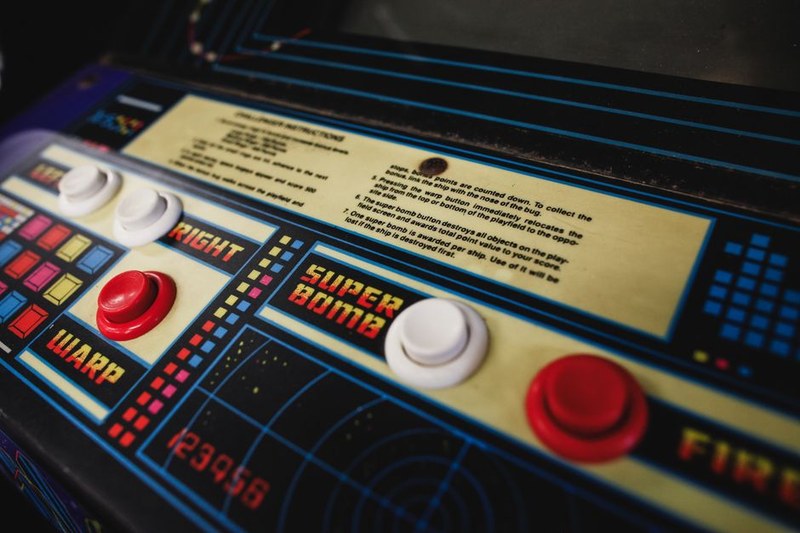
Interviews with retired coin-op operators about route management, machine leasing, and the economics of running an arcade in the 1980s.
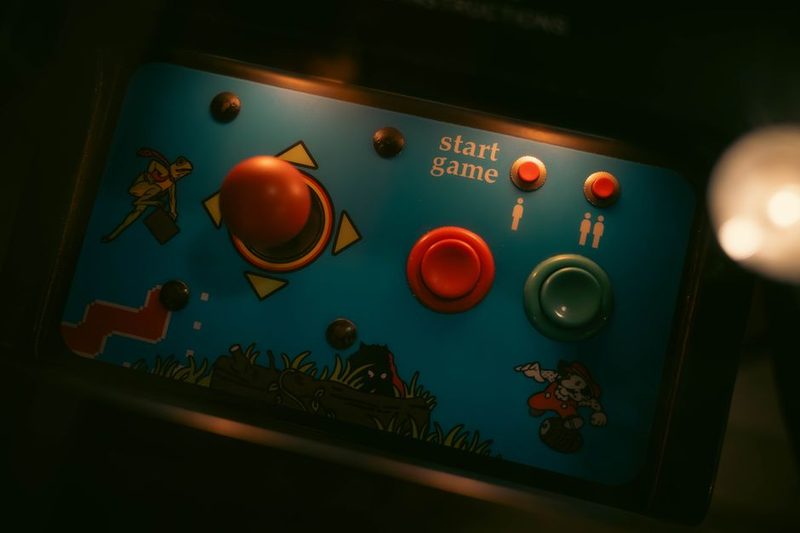
Documenting a Middle East distribution cabinet with unusual marquee art and control panel wiring not seen in Western releases.

Unwritten rules of the coin-op floor, from quarter-stacking to spectator courtesy, pieced together from period magazines and player accounts.
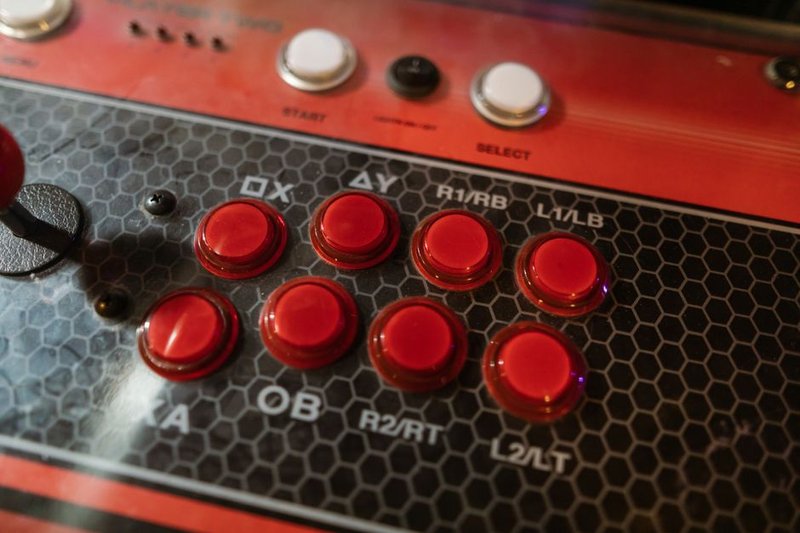
How joystick tension, button wear, and paint fade can help date a cabinet and confirm whether components are original or replaced.
Yes. We regularly work with collectors, former operators, and hobbyist restorers who want to contribute cabinet histories or technical write-ups. Pitches should include specific machines or a clear historical angle.
New articles go up roughly twice a month, with shorter field notes and cabinet updates appearing more frequently between longer research pieces.
Primary sources include operator interviews, period trade publications, cabinet manuals, and firsthand inspection of machines we've catalogued in Giza, Egypt and beyond.
Yes, alongside well-known titles we regularly cover overlooked or regionally distributed cabinets that rarely get documented elsewhere.
Absolutely. Reader suggestions have led to several of our restoration write-ups and operator interviews. Reach out through the contact page with details on the machine.
Editorial standards behind every piece in the archive
Articles are grounded in direct inspection of physical cabinets and boards, not recycled summaries pulled from other sites.
We seek out the people who actually ran arcade routes and coin-op venues, preserving accounts that rarely get written down.
Our writers understand PCB revisions, monitor chassis design, and coin mechanisms well enough to explain them accurately.
Pieces are built over weeks of cross-referencing manuals, trade press, and interviews rather than rushed publishing schedules.